


The United Arab Emirates expects to save AED 700 billion ($191 billion) by generating half of its domestic energy needs from sources other than oil and natural gas by 2050. The Organisation of Petroleum Exporting Countries (OPEC) member plans by that year to produce 44 per cent of its energy from renewables such as solar power and 6 per cent from nuclear reactors, UAE Energy Minister Suhail Al Mazrouei said Wednesday in Abu Dhabi. In addition to these sources, which produce no carbon emissions, the country will meet 38 per cent of its needs from gas and the remaining 12 per cent from cleaner-burning coal, he told reporters. The UAE is earmarking AED 600 billion in new spending to diversify its energy mix by the middle of the century. It wants to have about 100 gigawatts of power-generating capacity by 2050, up from a planned 40 gigawatts by 2020, Mazrouei said. The country holds about 6 per cent of global crude reserves and currently ranks as the fourth-biggest producer in the OPEC. In an effort to reduce its reliance on oil revenue, the UAE expects this year to start operating the first of four planned nuclear reactors and is also developing new solar plants, including a facility in Dubai that may produce the world’s cheapest electricity generated from the sun. (Anthony DiPaola and Mahmoud Habboush/Bloomberg)

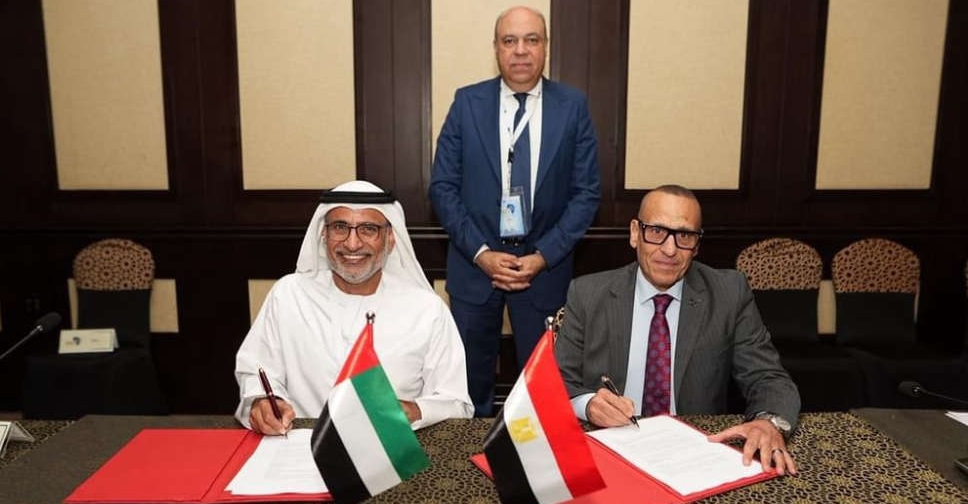 UAE, Egypt agree on phased expansion to boost air connectivity
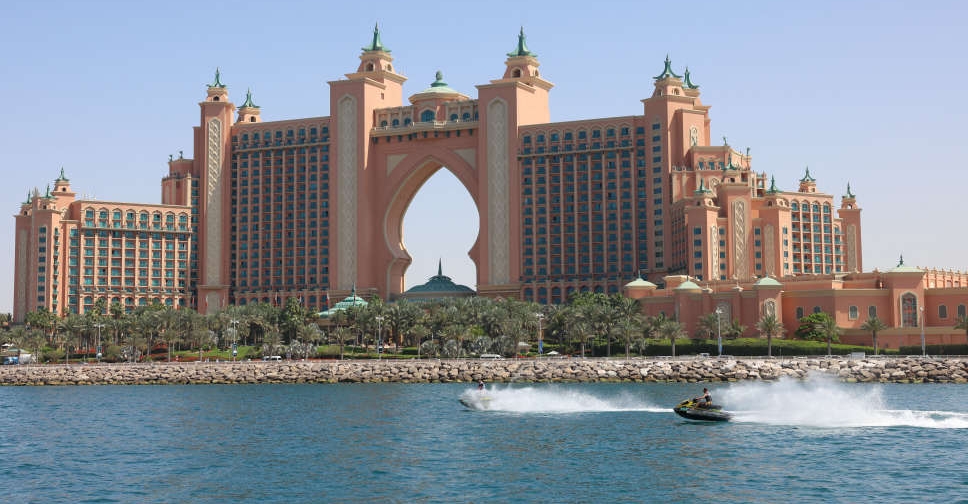 Dubai awards Sustainable Tourism stamp to over 200 hotels
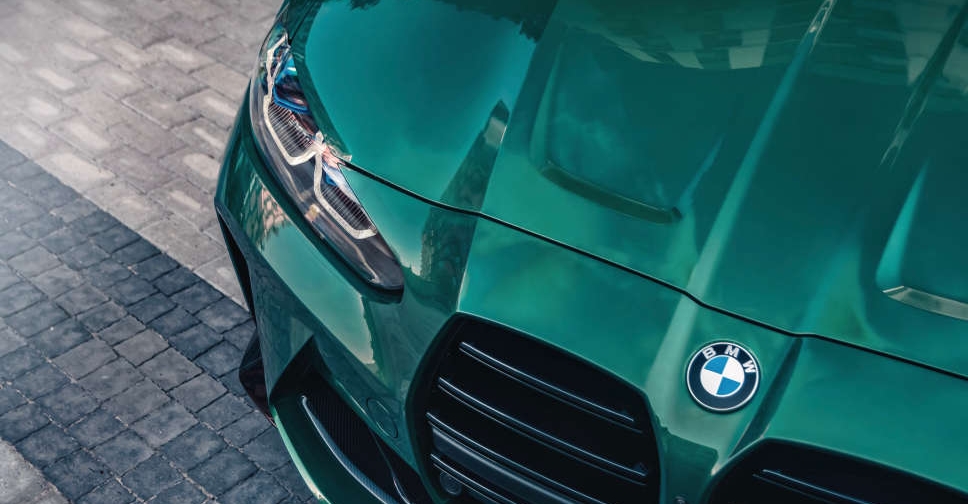 BMW to cut several thousand jobs in latest blow to German auto sector
 UAE discusses digital safety, AI policies with Snapchat
 Emirates to allow passengers to book using cryptocurrency