

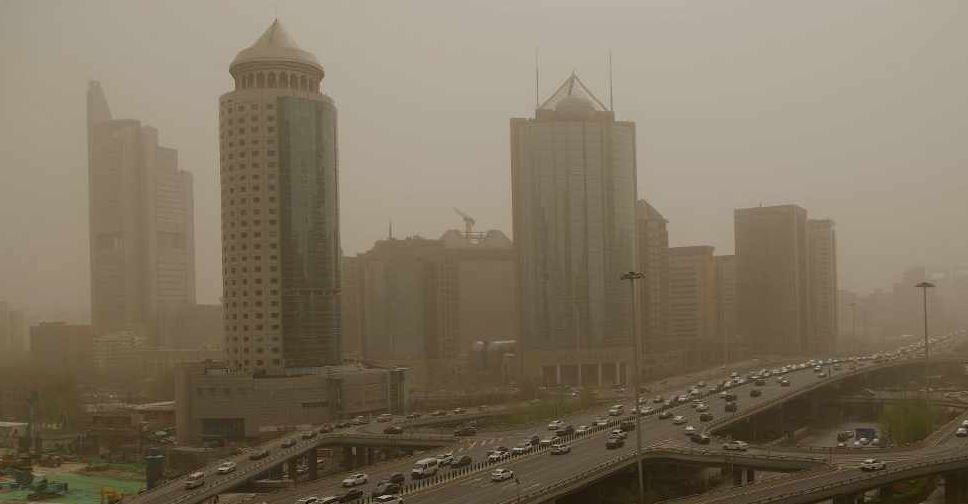
The Chinese capital Beijing woke on Sunday morning shrouded in thick dust carrying extremely high levels of hazardous particles, as a second sandstorm in two weeks hit the city.
Visibility in the city was reduced, with the tops of some skyscrapers obscured by the sandstorm, and pedestrians were forced to cover their eyes as gusts of dust swept through the streets.
Beijing's official air quality index reached a maximum level of 500 on Sunday morning, with floating particles known as PM10 surpassing 2,000 micrograms per cubic metre in some districts.
Readings of smaller PM2.5 particles were above 300 micrograms per cubic metre, far higher than China's standard of 35 micrograms.
PM2.5 particles are especially harmful because they are very tiny and can enter the bloodstream, while PM10 is a larger particle that can enter the lungs.
The China Meteorological Administration issued a yellow alert on Friday, warning that a sandstorm was spreading from Mongolia into northern Chinese provinces including Inner Mongolia, Shanxi, Liaoning and Hebei, which surrounds Beijing.
The meteorological office said the recent sandstorms to hit Beijing originated from Mongolia, where relatively warmer temperature this spring and reduced rain resulted in larger areas of bare earth, creating favorable conditions for sandstorms.
Beijing might face more sandstorms in April due to the unfavorable weather this year, the meteorological office said.


 Kenya confirms first Ebola case
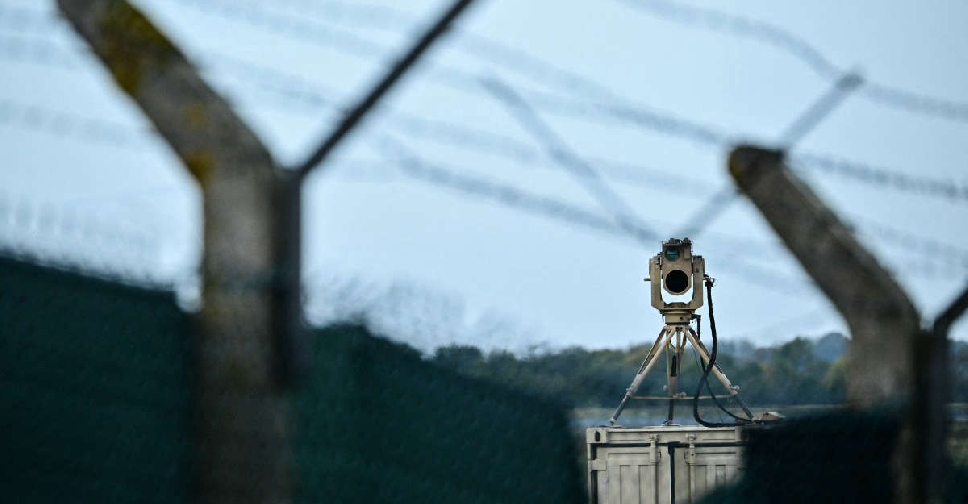 UK police make further arrest over suspected Fairford airbase plot
 Former German intelligence chief arrested for attempted treason
 Students and teachers march in France on biggest day of high school protests
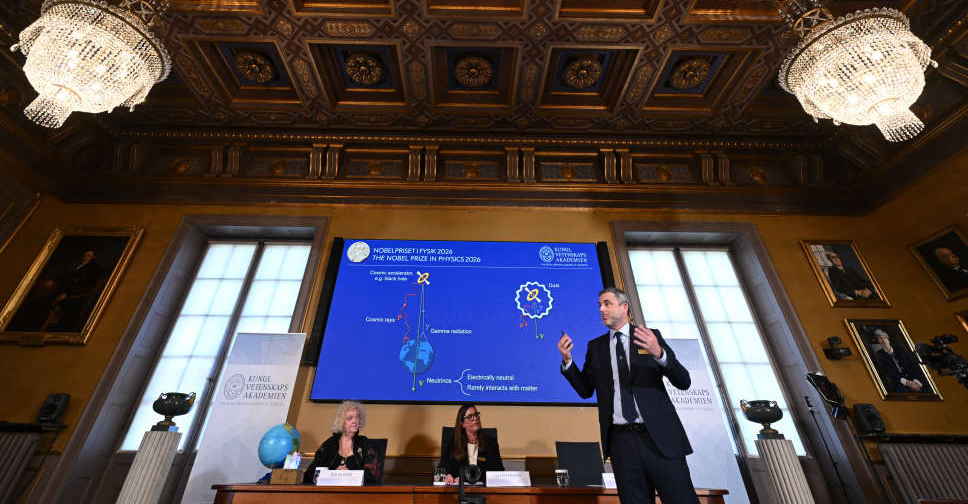 'Ghost particle' hunter Francis Halzen wins 2026 Nobel Physics Prize
 Saudi Arabia says 2 airports targeted as fighting with Yemen's Houthis escalates
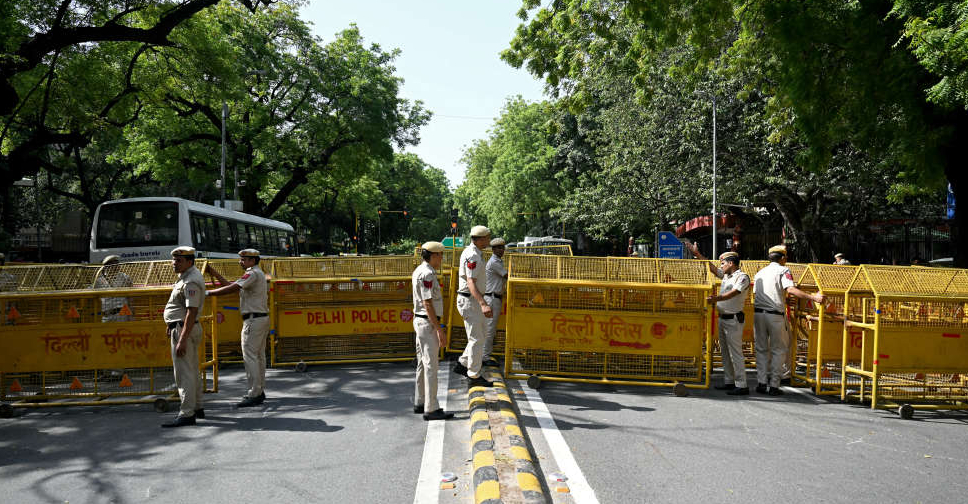 Indian opposition marches in protest seeking resignation of election chief
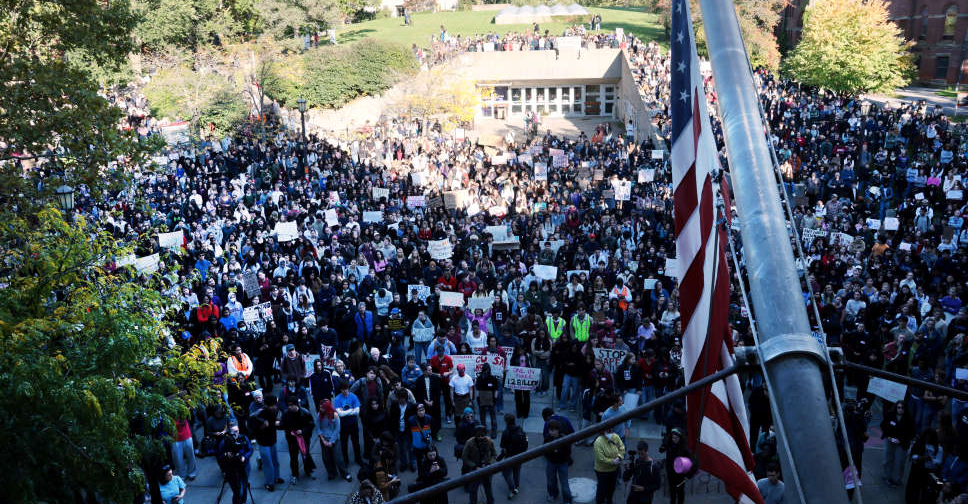 Cornell students stage rally in support of 'Jane Doe'