

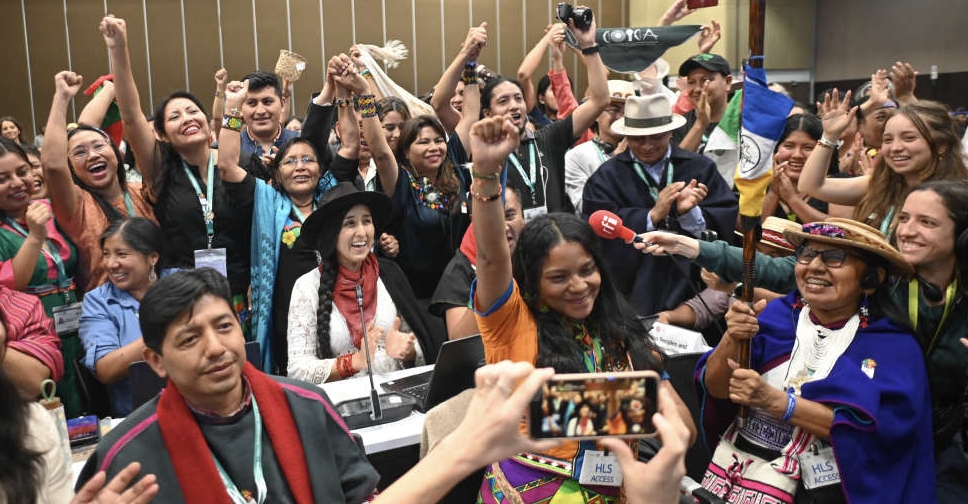
At the COP16 biodiversity conference in Cali, Colombia, countries have agreed to establish a permanent body for Indigenous representation under the United Nations' biodiversity framework, marking a historic recognition of Indigenous contributions to nature conservation.
Representatives from 196 countries approved the creation of a "subsidiary body" that will focus on issues critical to Indigenous communities and local populations, acknowledging their role in managing and protecting some of the most biodiverse regions on Earth.
The decision sparked celebration among Indigenous delegates, many of whom attended in traditional dress, chanting and cheering at the vote.
Indigenous leader Camila Romero from Chile called it an "unprecedented moment" in environmental multilateral agreements, highlighting that this new platform would ensure "full and effective participation" of Indigenous people in biodiversity efforts.
The inclusion of Afro-descendent communities in the consultative body was also agreed upon, though further specifics are still being discussed.
The COP16 summit, themed "Peace with Nature," ran beyond its scheduled close as delegates debated funding mechanisms essential for biodiversity preservation plans.
This breakthrough is viewed as a step toward more inclusive conservation strategies, integrating Indigenous knowledge and practices in global biodiversity efforts.

 Kuwait says Iranian attack hits Chinese company building, kills one
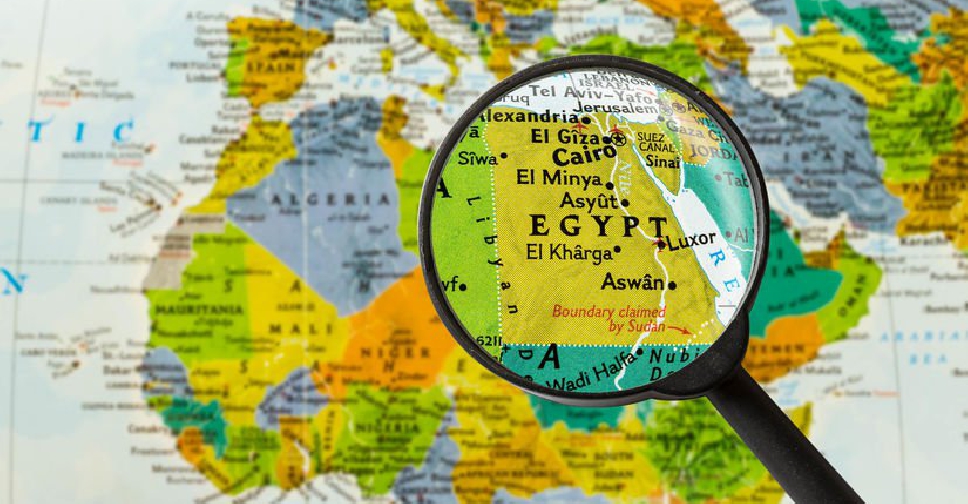 Egypt's Cabinet says preliminary probe finds drone behind Damietta Port vessel fire
 Russia pounds Ukraine in new air attack, killing 8
 US Military says it has completed fresh strikes on Iran
 Japan quake survivors battle thirst, heat as toll rises to 17
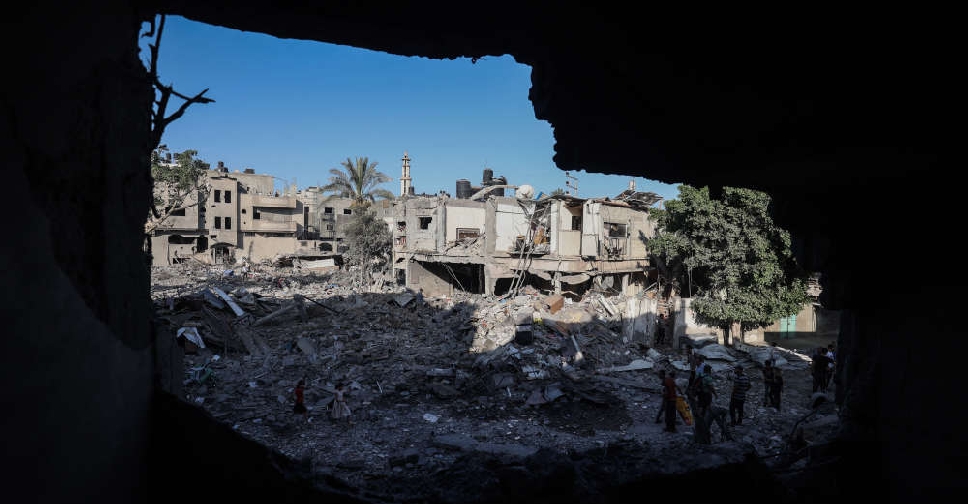 Israeli strikes kill four in Gaza amid new ceasefire push
 Saudi Arabia, US launch strikes on Iran-backed armed groups in Iraq
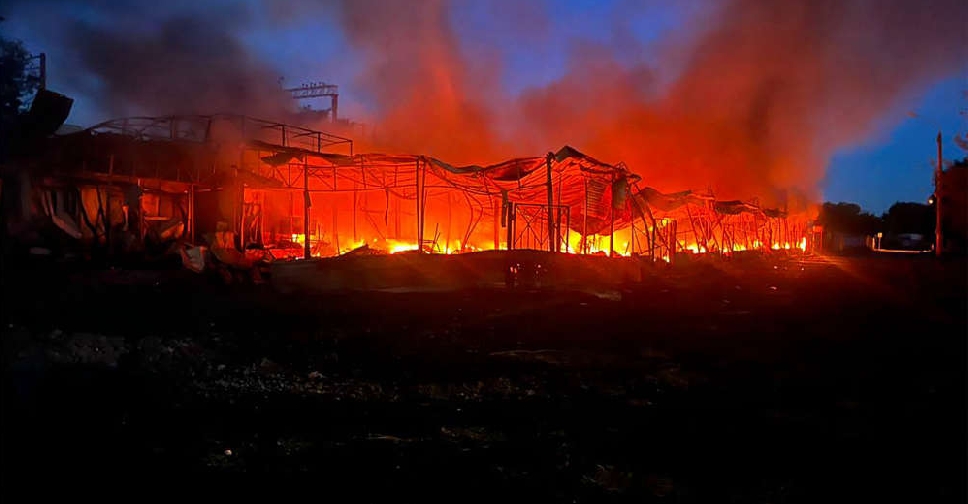 Russian strikes on Ukraine kill eight; Poland scrambles fighter jets