


The Ministry of Health and Prevention (MoHAP) has reaffirmed its commitment to reducing the incidence of cervical cancer and other HPV-related diseases through a proactive national strategy.
Launched as part of ongoing efforts to enhance public health, the strategy aims to significantly reduce the spread of human papillomavirus (HPV) across the country.
The national plan, which sets a goal of vaccinating 90% of girls against HPV by the age of 15 by 2030, includes two key components: widespread vaccination and early cervical cancer screening. The initiative will also ensure the availability of advanced treatment options for those affected by HPV, in line with the highest international standards.
The UAE became the first country in the Eastern Mediterranean region to introduce the HPV vaccine into its national immunisation programme in 2018, initially targeting schoolgirls aged 13 to 14. The programme was expanded in 2023 to include males of the same age group, marking another significant step towards universal HPV protection and preventing related diseases for both genders.
MoHAP emphasised its dedication to raising awareness about the importance of vaccination and early detection, reinforcing the UAE's commitment to the global effort to eliminate cervical cancer. The World Health Organisation (WHO) has praised the country’s national immunisation programme, recognizing its integration of the HPV vaccine into a cutting-edge health system.
The strategy also aligns with the UAE’s "Year of Community" initiative, promoting a collective responsibility in health awareness. MoHAP stressed that encouraging early screening and vaccination is essential to building a healthier society, in line with the UAE’s broader vision for a high quality of life.
Official statistics from the National Cancer Registry reveal that cervical cancer is the fifth most common cancer among women in the UAE, although national incidence rates remain lower than the global average. MoHAP recommends regular cervical cancer screenings for women aged 25 to 65, advising tests every three to five years to ensure early detection and improve recovery outcomes.

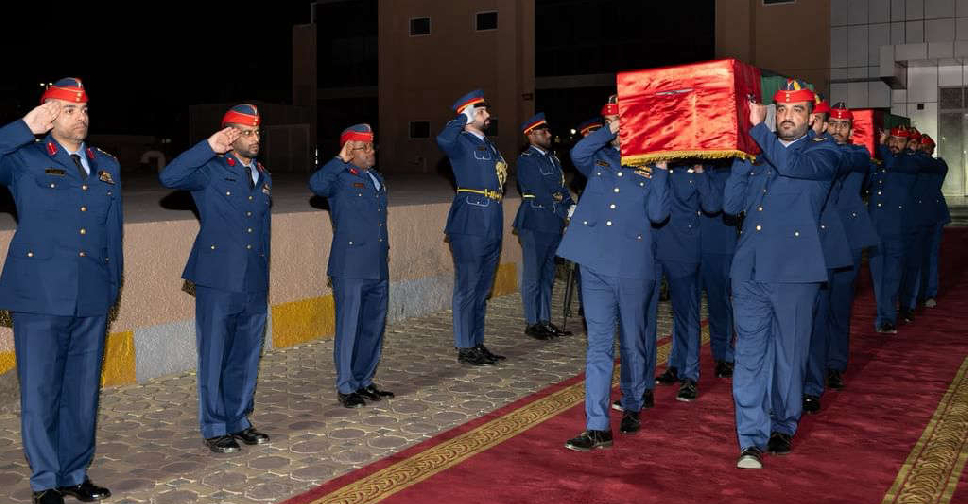 UAE holds military funeral for two servicemen martyred during training
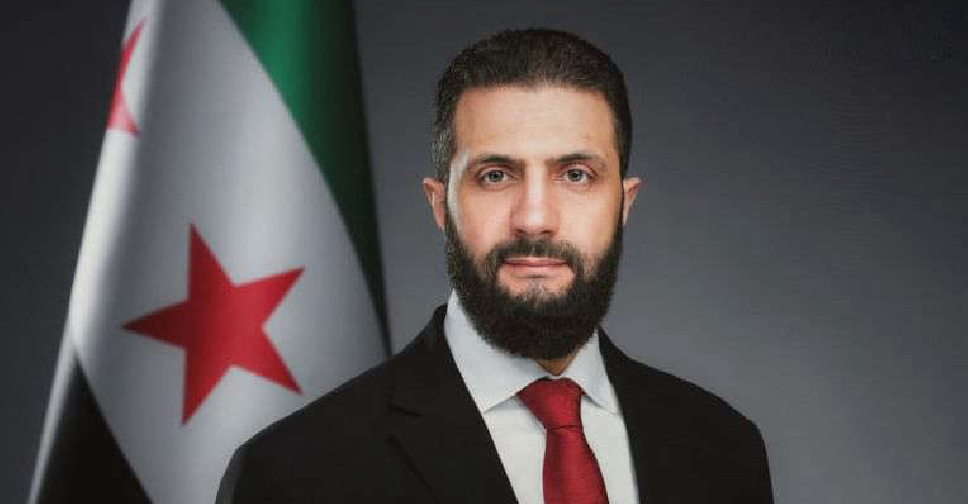 Syrian President to speak at opening session of Arab Media Summit
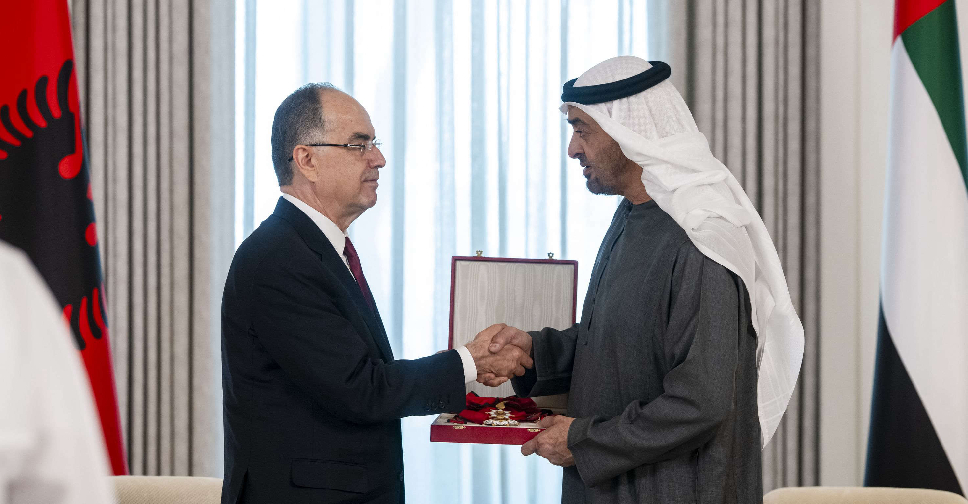 UAE President receives Albania's highest state honour
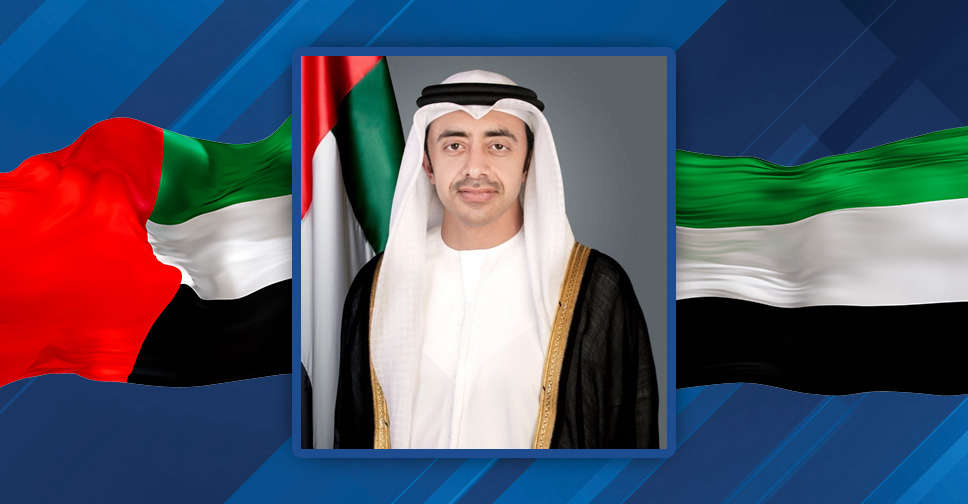 Sheikh Abdullah discusses regional developments with Gulf counterparts
 H.H. Sheikh Mohammed tours Arabian Travel Market
 H.H. Sheikh Hamdan highlights Dubai’s role in shaping future of tourism
 2 members of UAE Armed Forces martyred during training mission
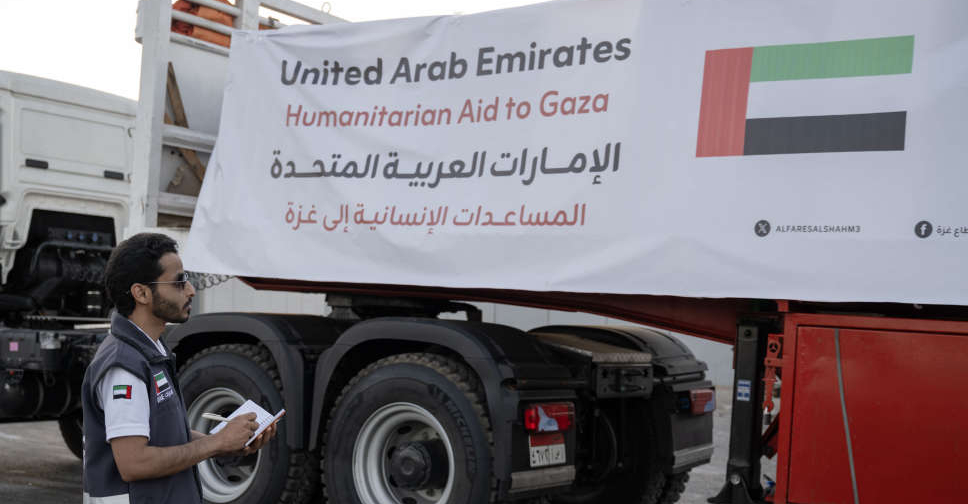 Five UAE aid convoys enter Gaza carrying 819 tonnes of supplies